skip to main content
Suitcase and Heels Suitcase and Heels

You Canโ€™t Swing a Cat in South Koreaโ€ฆ

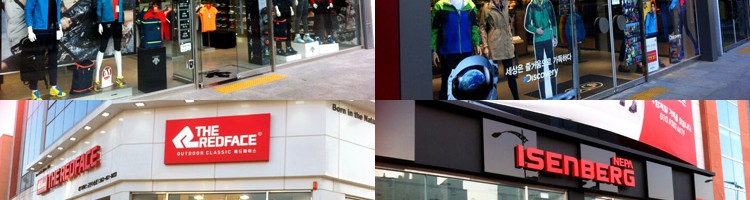
Outdoor clothing stores | SuitcaseandHeels.com

I’ve been here in South Korea for a month now. Life is different but culture shock hasn’t been bad. It did, however, take me over a week to realize that there are no stop signs here at all. There are some other things I’ve noticed sooner, especially those that are so common you see them everywhere you go. Just like Canada has more Tim Horton’s than you can shake a stick at, South Korea has its own common sights.
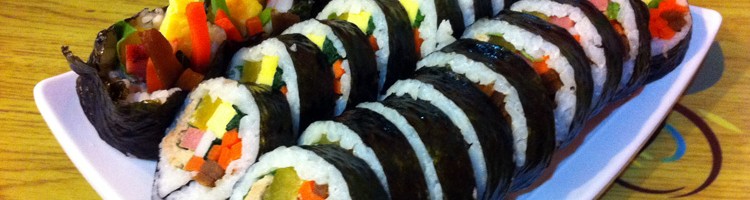
Sunday Snap: Gimbap

Gimbap | Suitcase and Heels

For a fast, light meal in South Korea, gimbap (๊น€๋ฐฅ) is one of my favourites. The word “gimbap” literally means “seaweed rice” – gim (๊น€) being the dried pressed seaweed and bap (๋ฐฅ) being the word for rice. At first glance you might call it sushi but they’re very different aside from containing rice, being rolled in seaweed and sliced. Gimbap rice is usually seasoned with a little sesame oil rather than vinegar. Filler ingredients include veggies like cucumber, carrot, spinach and pickled radish. Imitation crab, tuna, ham, eggs or beef are popular protein options. The best things about gimbap other than being tasty is that there are a ton of varieties, it’s healthy and won’t break the bank. A basic roll from a street vendor will probably only set you back ๏ฟฆ1200-๏ฟฆ1500 ($1.07-$1.34) whereas tuna (chamchi) may cost ๏ฟฆ2500/roll ($2.24).

A Tsukiji Fish Market Adventure

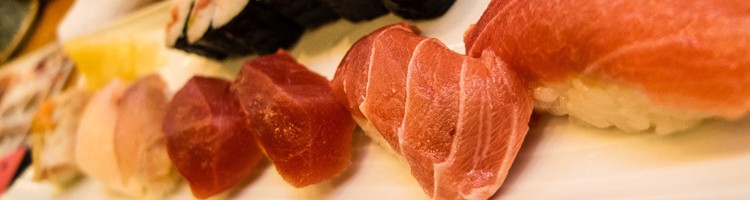
Breakfast at the Tsukiji Fish Market | SuitcaseandHeels.com

Tokyo is a city of big. Big buildings, big crowds and, big markets. The Tokyo Metropolitan Central Wholesale Market, commonly known as the Tsukiji Market, is the biggest wholesale fish and seafood market in the world and also one of the largest wholesale food markets of any kind, anywhere. As such, it’s become quite the tourist attraction, especially the tuna auctions and I knew when I was planning my 60 hours in Tokyo that it would be a must-visit.